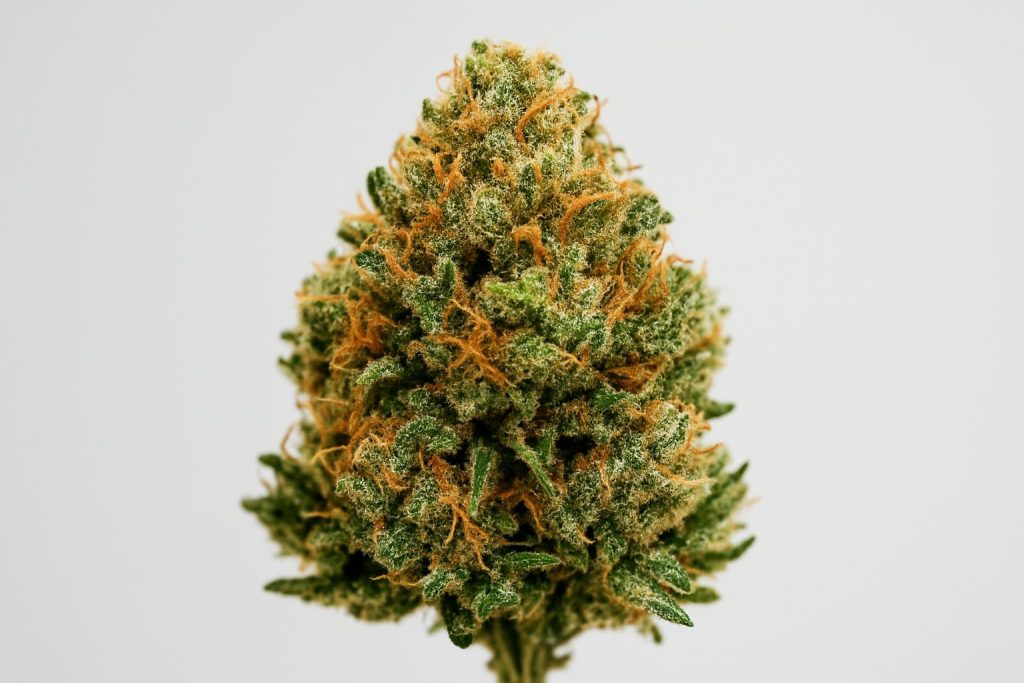
What should shoppers look for when exploring cannabis flower? Understanding Indica vs sativa can provide a useful starting point for comparing flower varieties, particularly when examining plant structure, aroma, flavor, and overall product characteristics. Although these traditional categories are widely recognized, every flower variety has its own profile shaped by genetics, cultivation, cannabinoids, and terpenes.
Jump To
- What Makes Cannabis Flower Different From Other Formats?
- How Does Indica Flower Typically Appear?
- What Characteristics Are Commonly Found in Sativa Flower?
- Why Does Genetics Matter When Choosing Flower?
- How Important Is the Terpene Profile?
- What Should Shoppers Examine on Flower Labels?
- Are Hybrid Flowers Part of the Modern Selection?
- Does Flower Appearance Tell the Whole Story?
- Why Does Curing Matter for Flower?
- How Can Shoppers Explore Different Varieties?
- Conclusion
What Makes Cannabis Flower Different From Other Formats?
Cannabis flower refers to the dried and cured flowering portion of the cannabis plant. Unlike processed formats, flower allows shoppers to explore characteristics such as appearance, aroma, texture, and terpene expression more directly.
The visual profile can include color, density, trichome coverage, and bud structure. These characteristics can vary significantly between varieties, creating a broad selection for consumers interested in exploring different flower profiles.
How Does Indica Flower Typically Appear?
Traditional indica flower is associated with genetics from plants that generally develop compact structures and broader leaves. Their flowers are often described as dense and tightly formed, although cultivation methods can influence their final appearance.
Aroma can also differ considerably between individual indica varieties. Earthy, herbal, sweet, floral, and spicy notes may appear depending on the plant’s terpene composition.
What Characteristics Are Commonly Found in Sativa Flower?
Sativa-associated genetics traditionally come from taller plants with narrower leaves and more elongated growth patterns. Their flowers may have a different structure and appearance compared with traditionally indica-associated varieties.
Sativa flower can also display diverse aromatic profiles. Citrus, tropical, floral, pine, and herbal notes are among the many possibilities found across different varieties.
Why Does Genetics Matter When Choosing Flower?
Genetics provide the foundation for a cannabis plant’s characteristics. They influence growth patterns, flower structure, cannabinoid production, terpene expression, and other traits.
Two flowers may share the same broad category while having very different genetic backgrounds. This is one reason product descriptions can be helpful when shoppers want to explore specific characteristics rather than simply choosing by category.
How Important Is the Terpene Profile?
Terpenes are a major contributor to the aroma and flavor of cannabis flower. Compounds such as limonene, myrcene, pinene, and caryophyllene can contribute distinctive sensory qualities.
For shoppers who enjoy particular aromas, checking terpene information can make flower selection more precise. It also helps explain why varieties within the same category can smell and taste noticeably different.
What Should Shoppers Examine on Flower Labels?
Product labels can provide valuable information about the flower being considered. Depending on the product, shoppers may find details about THC, CBD, terpene content, strain or cultivar name, cultivation information, and serving guidance.
Reviewing several of these characteristics together can create a more complete picture of the product than relying on a single category.
Are Hybrid Flowers Part of the Modern Selection?
Yes. Hybrid flower varieties combine genetics from different cannabis lineages and can demonstrate characteristics associated with both traditional indica and sativa categories.
Some hybrids may lean toward one traditional profile, while others display a more balanced combination. This creates an extensive range of flower options covering different aromas, flavors, structures, and cannabinoid compositions.
Does Flower Appearance Tell the Whole Story?
Appearance is useful, but it is only one part of evaluating cannabis flower. Color, trichomes, bud structure, and density can provide visual information, while aroma can reveal additional details about the terpene profile.
For a broader understanding, shoppers can combine visual observations with laboratory information and product descriptions.
Why Does Curing Matter for Flower?
Curing is an important stage after harvesting and drying. Properly managed curing can help develop the flower’s aroma, flavor, texture, and overall presentation.
Because curing practices can influence the final product, two flowers with similar genetics may still have differences in sensory characteristics. This makes cultivation and post-harvest processes relevant when comparing flower varieties.
How Can Shoppers Explore Different Varieties?
A useful approach is to compare flower products according to several characteristics at once. Category, genetics, cannabinoid levels, terpene profile, aroma, flavor, and visual appearance can all contribute to the selection process.
Keeping track of preferred profiles can also make future choices easier. Over time, shoppers can identify the flower characteristics they enjoy most and use those observations when exploring new varieties.
Conclusion
Indica and sativa provide familiar categories for beginning to understand cannabis flower, but the diversity of modern varieties goes far beyond these traditional labels. Flower characteristics can be shaped by genetics, cultivation, curing, cannabinoids, and terpene composition. By examining these details together, shoppers can better appreciate the differences among flower options and explore the wide range of cannabis varieties available through Kush Station.
The Short Version
- Cannabis flower refers to the dried and cured flowering portion of the cannabis plant, allowing direct exploration of characteristics like appearance, aroma, and texture.
- Indica flowers typically have compact structures, broader leaves, and are often dense with an aroma that can include earthy, sweet, and floral notes.
- Sativa flowers are generally associated with taller plants featuring narrower leaves, offering diverse aromatic profiles such as citrus, tropical, and herbal notes.
- Genetics play a crucial role in determining a cannabis plant’s characteristics, influencing factors like growth patterns, flower structure, and cannabinoid production.
- Terpenes significantly contribute to the aroma and flavor of cannabis flower, with specific compounds like limonene and myrcene affecting sensory qualities.
- Hybrid flower varieties combine genetics from different lineages, potentially exhibiting a blend of characteristics from both traditional indica and sativa categories.