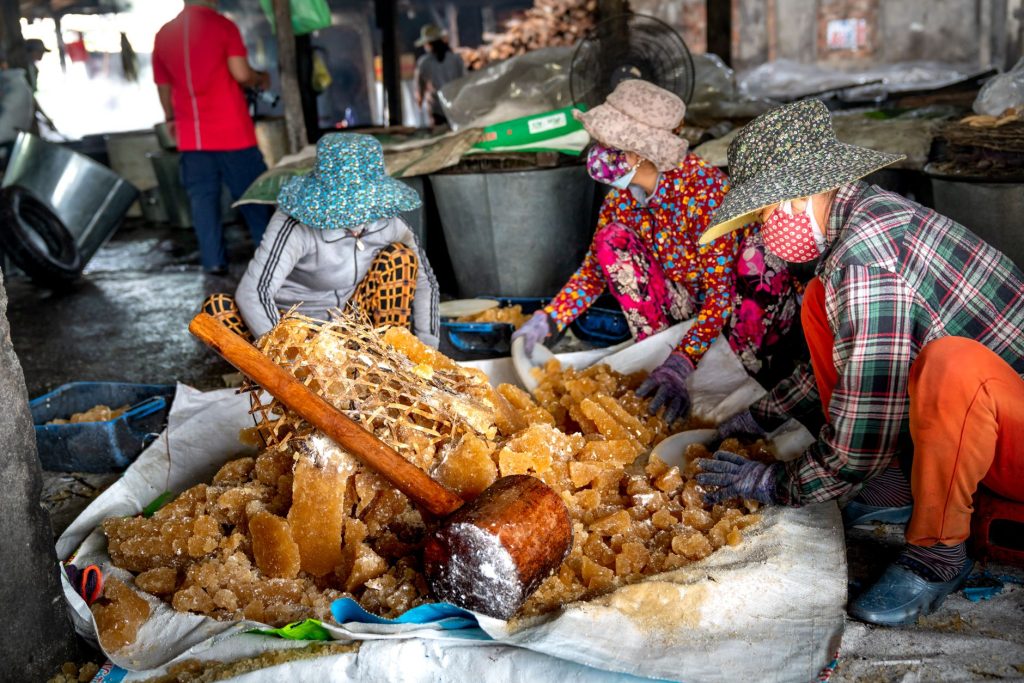
Raw Sugar Allocation TRQ is a crucial opportunity for stakeholders. The DGFT has opened a one-time application window for the allocation of 2.15 lakh MT of raw sugar under the TRQ scheme.
Understanding the TRQ Scheme
The Raw Sugar Allocation TRQ (Tariff Rate Quota) scheme is designed to manage the import of raw sugar into the country while ensuring that domestic market needs are met. This initiative allows for a specified quantity of raw sugar to be imported at a lower tariff rate, promoting fair competition and stabilizing prices for consumers and producers alike.
The recent announcement by the Directorate General of Foreign Trade (DGFT) has opened a one-time application window allowing for the allocation of 2.15 lakh metric tons of raw sugar under this TRQ scheme. This initiative is particularly important for stakeholders in the sugar industry, as it provides an opportunity to bolster imports at a significantly reduced cost.
Applicants interested in participating in this allocation process can submit their applications until November 27, 2026. The straightforward application process is aimed at encouraging greater participation, ensuring that both large and small players in the market have a chance to benefit from the TRQ.
- Eligibility: All sugar manufacturers and traders who meet the specified criteria can apply.
- Benefits: Access to lower tariff rates can lead to improved profit margins.
- Process: Detailed guidelines are provided by the DGFT to assist applicants in navigating the submission process.
By understanding the Raw Sugar Allocation TRQ scheme, stakeholders can effectively position themselves to take advantage of this opportunity.
How to Apply for Raw Sugar Allocation
Applying for the Raw Sugar Allocation TRQ is a straightforward process designed to facilitate access for stakeholders in the sugar industry. Interested parties must follow a series of steps to ensure their applications are considered within the specified timeframe.
Here’s a simple guide to help you through the application process:
- Check Eligibility: Ensure that your organization meets the eligibility criteria set by the Directorate General of Foreign Trade (DGFT).
- Gather Required Documents: Compile all necessary documents, including proof of registration and any other relevant certificates.
- Online Registration: Visit the DGFT’s official website to complete your online registration. Make sure you have a functional digital signature for submission.
- Complete the Application Form: Fill out the application form accurately, providing all required information related to your request for raw sugar allocation.
- Submit the Application: After reviewing your application for accuracy, submit it before the deadline of November 27, 2026. Late submissions will not be entertained.
Following these steps will enhance your chances of successfully obtaining raw sugar allocation under the TRQ scheme. Stay informed and ensure compliance with all guidelines to make the most of this opportunity.
Key Dates for the Application Process
The application process for the Raw Sugar Allocation TRQ is crucial for interested stakeholders. Here are the key dates to keep in mind for a smooth application experience:
- Application Start Date: November 1, 2023 – The window for submitting applications opens, allowing applicants to gather necessary documentation and prepare their submissions.
- Application Deadline: November 27, 2026 – All applications must be submitted by this date. Late submissions will not be considered, so it is essential to apply early.
- Announcement of Allocations: December 15, 2026 – Successful applicants will be notified about their raw sugar allocation under the TRQ scheme on this date.
- Allocation Period: January 1, 2027, to December 31, 2027 – The allocated raw sugar can be utilized within this period, offering flexibility to producers and importers.
All applicants are encouraged to follow these dates closely to ensure their participation in the Raw Sugar Allocation TRQ process. Timely applications and adherence to guidelines will enhance the chances of successful allocation. Stay informed and prepare accordingly to take advantage of this opportunity.
Eligibility Criteria for Applicants
The eligibility criteria for applicants seeking raw sugar allocation under the Raw Sugar Allocation TRQ are designed to ensure that only qualified entities participate in the process. To be considered for allocation, applicants must meet the following requirements:
- Legal Status: Applicants must possess valid business registration and be recognized as legal entities under the applicable laws.
- Operational History: A minimum operational history of three years in the sugar industry is required to demonstrate experience and capability.
- Volume Capacity: Applicants should have the necessary infrastructure to handle at least 60% of the allocated quantity effectively.
- Financial Stability: Submission of recent financial statements is mandatory to prove the financial health and stability of the applicant.
- Compliance with Regulations: All applicants must adhere to local and national regulations related to sugar processing and trade.
It is important for applicants to prepare their documentation thoroughly to avoid any delays in the application process. Ensuring compliance with the eligibility criteria will enhance the chances of securing a successful allocation under the Raw Sugar Allocation TRQ scheme. The application window is open until November 27, 2026, allowing ample time for potential applicants to gather necessary information and submit their applications.
Impact of Raw Sugar Allocation on the Market
The recent announcement regarding the Raw Sugar Allocation TRQ is expected to have significant implications for the sugar market. By allowing the allocation of 2.15 lakh metric tons of raw sugar, the government aims to stabilize prices and ensure a steady supply in the domestic market.
One of the primary impacts of this allocation is the potential for increased competition among sugar producers. As more raw sugar enters the market, it could lead to a decrease in prices, benefiting consumers and industries reliant on sugar. Furthermore, this initiative may enhance the overall quality of sugar available, as producers strive to meet demand effectively.
Additionally, the Raw Sugar Allocation TRQ can encourage international trade, as it opens opportunities for foreign suppliers to enter the Indian market. This influx of raw sugar is likely to create a more dynamic trading environment, fostering relationships between domestic and international producers.
However, stakeholders must remain cautious. While the short-term benefits are evident, long-term effects on local farmers and producers need to be closely monitored. A balanced approach will be crucial to ensure that the raw sugar allocation does not adversely affect domestic production capacities.
In summary, the impacts of the Raw Sugar Allocation TRQ are multifaceted, ranging from price stabilization to increased market competition, ultimately shaping the future of the sugar industry.
Photo by Quang Nguyen Vinh on Pexels
Where this came from
SBI Clerk Prelims Result: Quick Check for Qualifying Status · SSC CHSL 2025 answer key: Quick release and marks available · AIIMS Jodhpur Research Internship: Easy Application for 2026